Bloomberg Economics
This article is based on Bloomberg Economics analysis by Jimena Zuniga, Latin America Geoeconomics Analyst and Argentina Economist, and Chris Kennedy, Economic Statecraft Lead.
President Donald Trump’s tentative deal to gain access to Venezuelan oil reserves risks worsening the country’s political and economic outlook for years to come — rekindling nationalist and anti-American sentiment that had largely receded.
- Until this move, the most likely outcome of an eventual democratic transition in Venezuela has been the election of a market-friendly, pro-Western government, probably under opposition leader Maria Corina Machado. If free and fair elections were held today, Machado would likely win in a landslide, reflecting backlash against years of economic mismanagement and political repression under chavismo.
- Venezuela could also reach a durable consensus around that new orientation, similar to how Colombia’s experience with violent left-wing guerrillas helped underpin a long-lasting center-right political consensus.

- The highly controversial nature of the deal has the potential to disrupt that trajectory. The agreement was struck with an illegitimate government under acting President Delcy Rodríguez. It relies on a controversial interlocutor, is at odds with Venezuela’s legal framework and has been presented largely in terms of US interests.
- It is likely to prove deeply unpopular with Venezuelans, undermining the positive image of US leadership and broader pro-US sentiment that emerged following the operation to oust former President Nicolás Maduro.
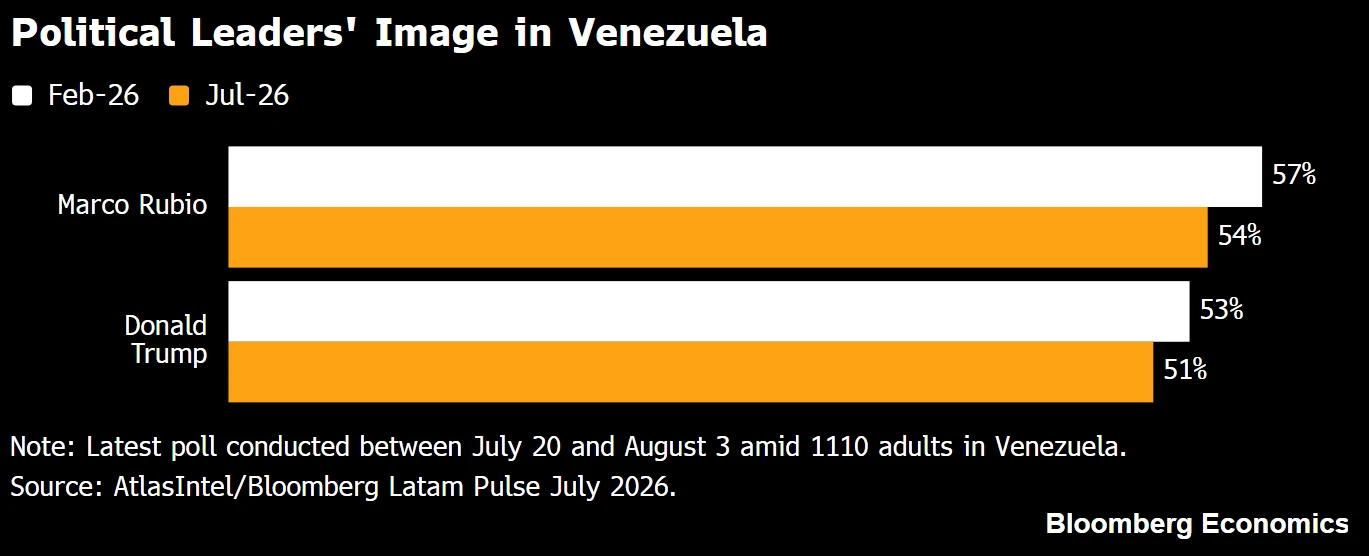
- The deal also undermines Venezuela’s democratic opposition. Having broadly supported US pressure and involvement in their country, key opposition leaders now risk being associated with Washington at a time when US policy is increasingly perceived as exploitative and at odds with Venezuelans’ interests.
- That could create political space for more ideological strands of chavismo to emerge as a clearer alternative to the current government over time. Such groups could seek to distance themselves from Rodríguez while reviving a more state-centric, nationalist and anti-US political message.
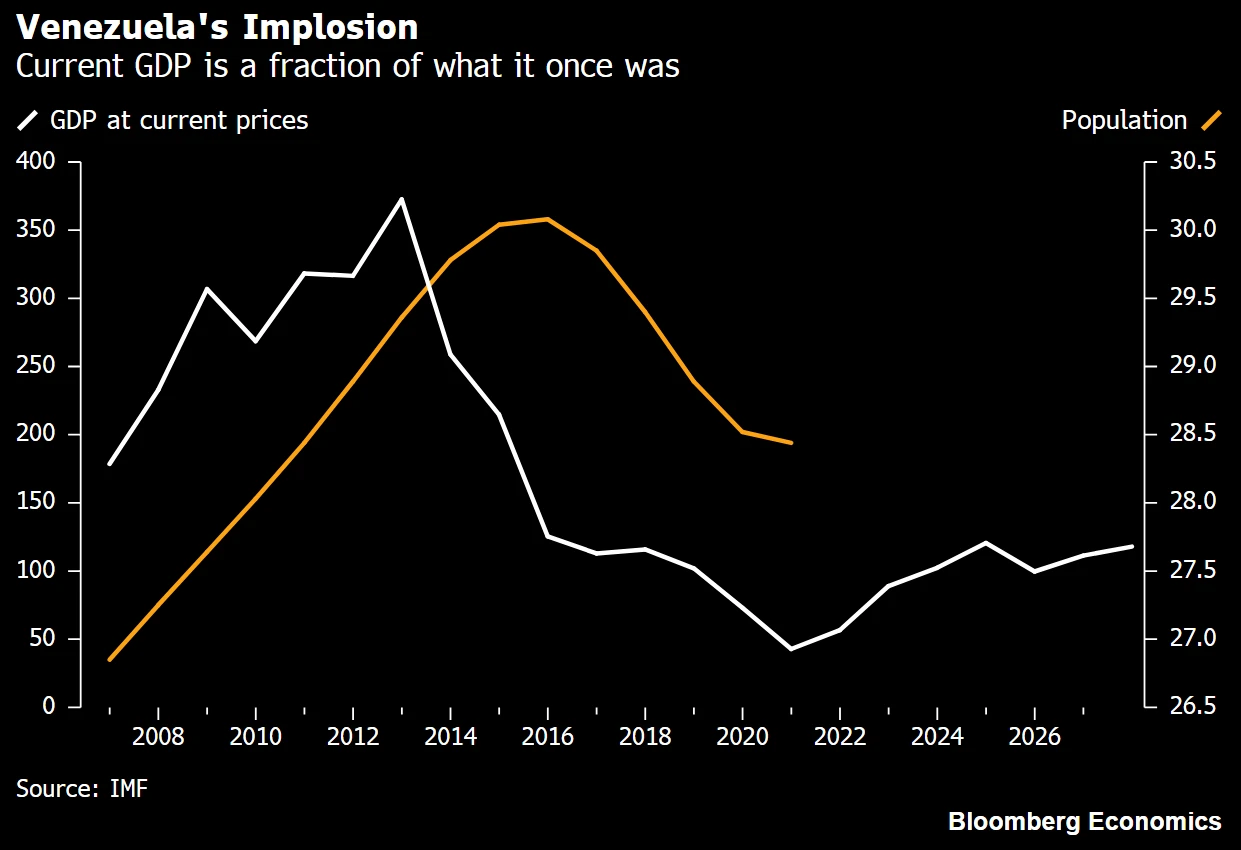
- This, of course, also undermines Venezuela’s economic outlook. Economic populism pushed to extremes under chavismo led to economic collapse and levels of emigration rarely seen in peacetime. Yet Venezuela’s vast natural wealth, combined with a large and still relatively recent diaspora, offers the possibility of a significant economic rebound under a different political landscape. That prospect becomes dimmer the longer elections are delayed, particularly if the delay increases the risk — until now marginal — that a future election could be won by a new brand of economic populists.
- The democratic, market-friendly, and pro-West opposition is already in a difficult spot. It is telling that Machado has yet to issue a public reaction several days after the news, underscoring the political bind the agreement creates for a movement that has been closely aligned with Washington.
- From a US perspective, this risks squandering a rare strategic opportunity. A genuine transition leading to competitive elections could have produced a market-friendly government closely aligned with the US — one that would likely be welcomed by both sides of the political aisle in Washington. The Trump administration may now be trading that long-term upside for little or nothing: given the high political risks surrounding the agreement, we think it is unlikely to deliver even its narrow, short-term benefits, as we have highlighted here.
- From an investment perspective, we think the agreement heightens the political risk surrounding any policy enacted by the current regime, whether on debt, oil or other areas.
- A future democratically elected government in Caracas would face considerable pressure to repeal policies perceived as contrary to Venezuela’s national interest and imposed at gunpoint through an illegitimate regime. And if Democrats win control of the White House in the 2028 election, the odds are low that they would prioritize defending the recently announced deal — or Trump’s broader Venezuela policy.
- Even without a democratic transition in the medium term, the current regime in Caracas would likely have few qualms about reversing course the minute US pressure eases under a potential new administration.