
Bloomberg Intelligence
This article is by Nathan Dean, Senior Policy Analyst at Bloomberg Intelligence and Justin Teresi, Litigation Analyst at Bloomberg Intelligence. Additional analysis from Holly Froum and Matthew Schettenhelm at Bloomberg Intelligence.
Democratic control of both the House and Senate after the Nov. 3 midterm elections exposes energy, retail and financial services to potential policy shifts in a gridlocked Washington. Energy companies remain exposed to presidential decisions involving Iran, Russia, Venezuela and domestic production; retailers face continued tariff volatility and banks such as JPMorgan and Bank of America could still receive billions in capital relief as Donald Trump-appointed regulators accelerate deregulation. We think the president will focus, despite talking of working with Democrats, on executive orders and regulations that bypass Congress.
1. Energy sector still turns on Trump’s executive actions
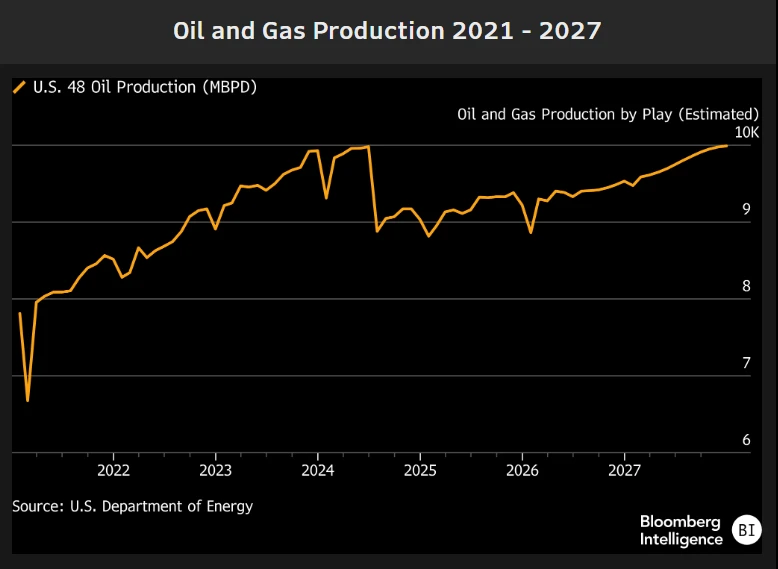
Oil producers, refiners and other energy companies are likely less affected by the Democratic sweep of Congress than by presidential actions in 2027-28. Despite losing both chambers, Trump retains significant authority over geopolitical issues affecting energy markets, including the Russia-Ukraine conflict, the US war with Iran and the future relationship between US companies and Venezuela’s energy sector, leaving firms such as ConocoPhillips and Exxon Mobil sensitive to shifts in sanctions, diplomacy and foreign-policy strategy.
Much of Trump’s remaining energy agenda can be pursued without new legislation. Democratic control of Congress might constrain funding and increase oversight without fundamentally changing the White House’s ability to act. Democrats can use hearings, investigations and appropriations to challenge the administration, but Trump retains considerable authority over sanctions, federal leasing, LNG approvals and other executive or regulatory actions that could influence global energy supplies and US producers.
2. Consumer, retail tariff risks continue despite new Congress
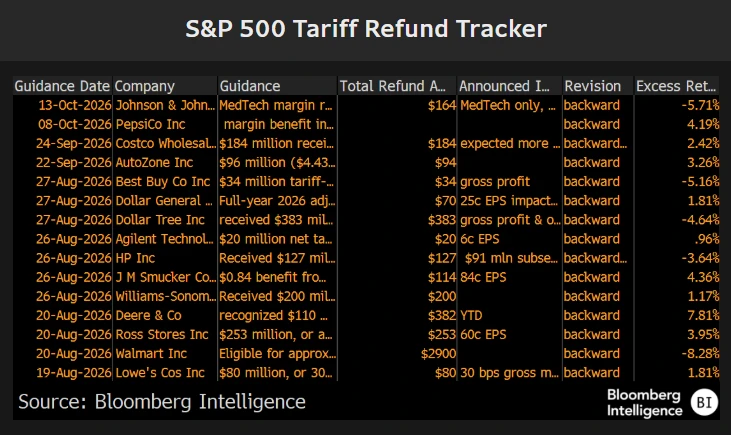
Retailers, grocers, automakers and other consumer-facing companies such as Nike, Adidas, Lululemon and Costco will likely face continued pricing, sourcing and margin pressure from tariffs in 2027, even after Democrats’ sweeping congressional victories. Control of Congress won’t by itself prevent President Donald Trump from imposing new duties under authorities such as Sections 301 and 232, which provide established statutory pathways. That differs from the broader tariffs imposed under the International Emergency Economic Powers Act, which were ultimately struck down by the Supreme Court.
The election results showed substantial voter dissatisfaction with Trump’s agenda, particularly around affordability and tariffs, but we don’t expect the White House to retreat significantly on its trade policy. Trump has consistently used tariffs and tariff threats as leverage in trade and foreign-policy negotiations, and we expect that approach to continue through 2028.
3. Banks, crypto maintain deregulatory tailwinds in 2027
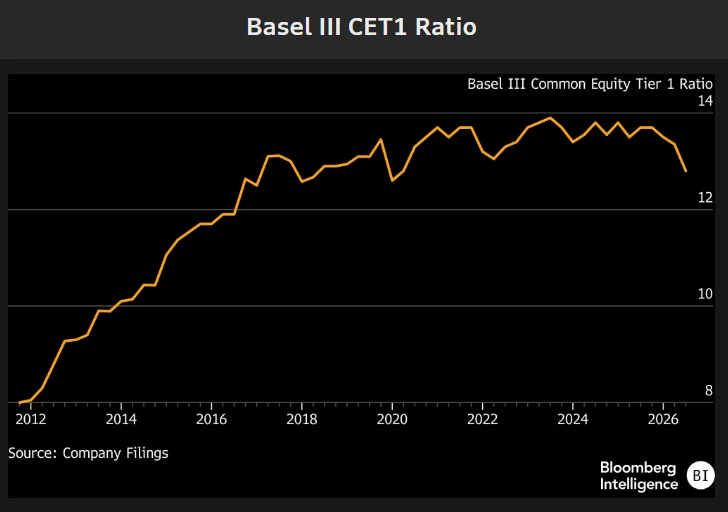
Banks and crypto companies will likely continue to benefit as Trump-appointed financial regulators accelerate rulemaking in 2027, with officials likely trying to complete major initiatives well before the administration ends in January 2029. The change of congressional leadership shouldn’t have much impact. For large banks, capital changes expected in December could provide roughly $18 billion of relief across JPMorgan, Bank of America, Citigroup and others, while regulators are also weighing changes to liquidity requirements. Regional banks could benefit separately from higher thresholds for enhanced prudential standards, potentially allowing some lenders to grow substantially before triggering additional capital, liquidity and stress-testing requirements.
Crypto companies also face a more defined regulatory framework even without new legislation from Congress. The SEC has proposed a tailored offering regime, provided temporary relief for tokenized-stock trading and proposed new custody rules, while the CFTC has begun advancing its own crypto market-structure framework. Those actions could expand products and reduce uncertainty for Coinbase, Robinhood and other platforms, though agency rules remain less durable than legislation.
Democratic control of Congress won’t by itself stop regulators from moving forward under existing statutes, but it will increase hearings, oversight and pressure on the agencies. The larger risk is after 2028: Democrats’ gains could strengthen calls for tougher financial regulation ahead of the presidential election. That raises the importance of timing, with Trump regulators likely seeking to finalize major rules early enough to reduce exposure to Congressional Review Act repeal and make any future reversal a lengthier rulemaking process.
4. AI rules to stay light until 2029, data centers a state risk
The tech sector likely faces several more quarters of light-touch federal AI regulation even after Democrats take control of Congress in 2027. Through Jan. 20, 2029, legislation will still require President Donald Trump’s signature, while federal regulators remain under an administration focused on AI development and US competitiveness. Congress could debate additional safeguards in 2027-28, particularly if a high-profile incident occurs, but sweeping restrictions remain difficult to enact.
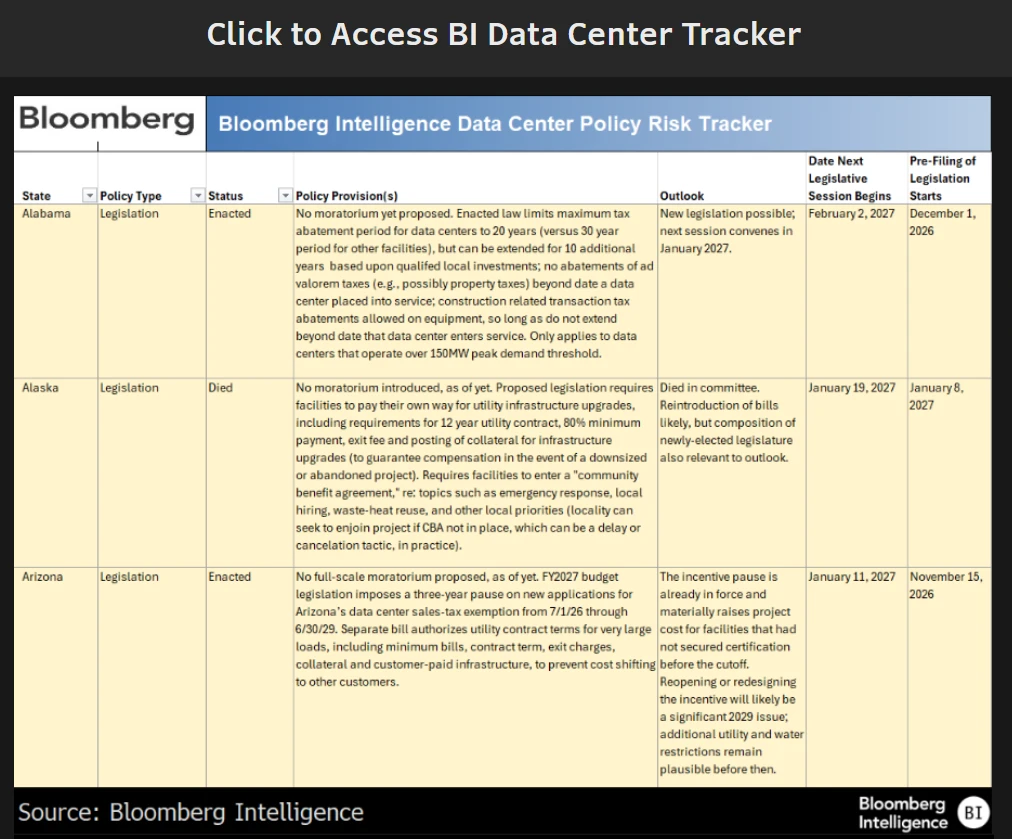
Data-center projects face greater policy risk, much of it from states and municipalities. Federal proposals such as the Ratepayer Protection Act could require hyperscalers to bear more electricity and grid costs, while state legislatures could consider moratoriums, permitting restrictions, utility-rate changes and added reporting requirements. We don’t expect those policies to materially reduce overall US data-center spending, but they could delay, relocate or raise costs for individual projects.
Democrats’ congressional gains could also make policies targeting AI companies and data centers more prominent ahead of the 2028 presidential election, particularly around electricity prices, job displacement and consumer protection. We don’t expect broad federal restrictions to pass soon, but hearings, investigations and legislative proposals could build support for tougher rules after 2028, creating longer-term risks for Alphabet, Amazon, Meta, Microsoft and other major AI investors.
5. Defense funding faces more congressional scrutiny
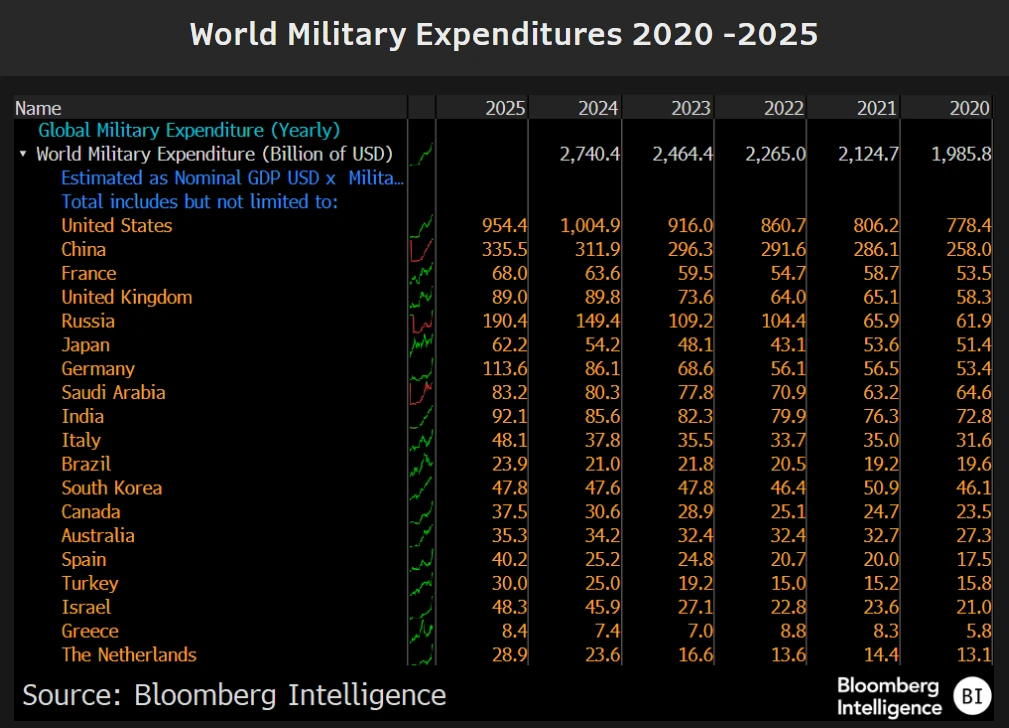
Defense contractors such as Lockheed Martin, RTX and Northrop Grumman will likely face a more constrained funding environment after Democrats took control of Congress, with the party more likely to reject the White House’s $1.5 trillion defense-budget request and instead set its own level through the appropriations process. We don’t expect a meaningful reduction in the existing defense baseline, but incremental spending could face greater scrutiny and move more slowly, shifting the debate toward which programs receive additional funding and how quickly that money reaches contractors.
Counter-drone systems, missile defense and munitions replenishment should retain bipartisan support as the Pentagon replaces weapons used during the war with Iran and rebuilds inventories. Democrats could scrutinize Golden Dome, reconciliation-funded priorities and some newer weapons programs more closely while continuing to support readiness and the defense industrial base. That could make appropriations more contentious, but it should also give investors greater visibility into which programs have durable bipartisan backing and which contractors are positioned to benefit.